

Introduction: Hook: Did you know that experienced birders have coined the term “Little Brown Jobs” (LBJs) to describe one of birdwatching’s greatest challenges? With over 40 species of small brown birds commonly found across North America, these unassuming creatures account for nearly 60% of identification confusion among both novice and intermediate birdwatchers. Problem: Small brown …
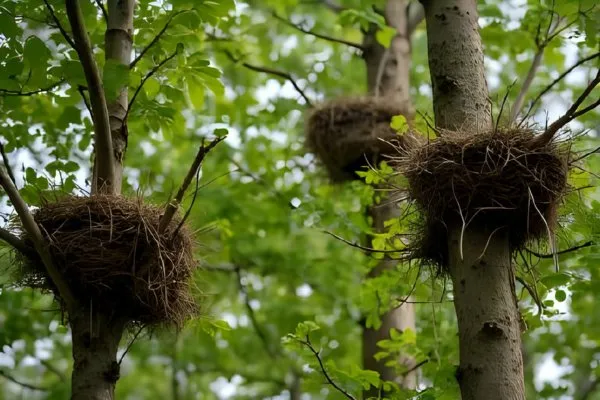
Did you know that birds construct over 180 different types of nests, from the tiny hummingbird’s cup the size of a golf ball to the massive stick platforms of eagles that can weigh over a ton? For many birdwatchers, identifying species through song or plumage comes naturally, but recognizing birds by their nesting habits remains …
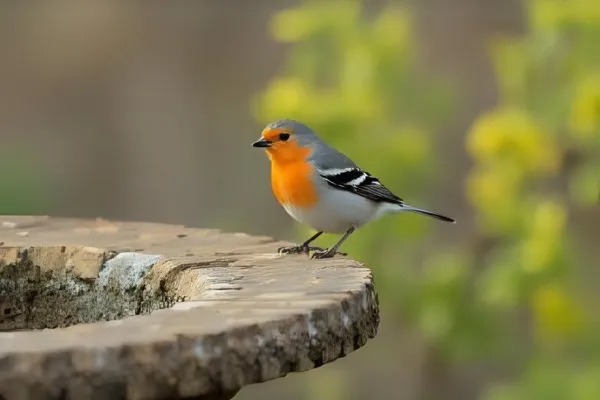
Did you know that the average North American backyard hosts between 15-25 different bird species throughout the year? According to the Cornell Lab of Ornithology’s Project FeederWatch data, suburban environments have become crucial habitats supporting over 300 bird species across the continent. Yet most beginning birders can confidently identify fewer than five species visiting their …
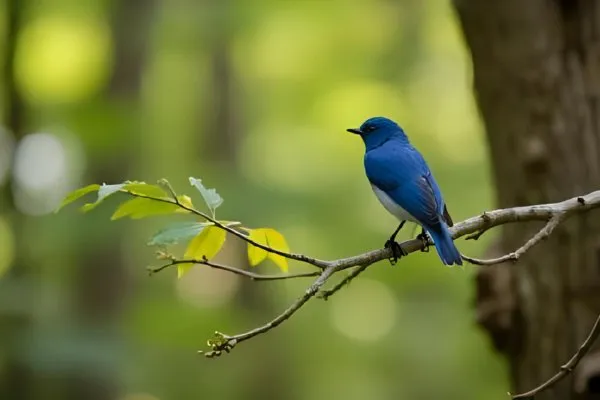
Every year, North America loses approximately 3 billion birds – that’s one in four birds vanishing from our skies since 1970. As dawn breaks across our landscapes, fewer melodies fill the air, marking one of the most significant biodiversity crises of our time. The challenges facing our avian companions have never been more complex or …
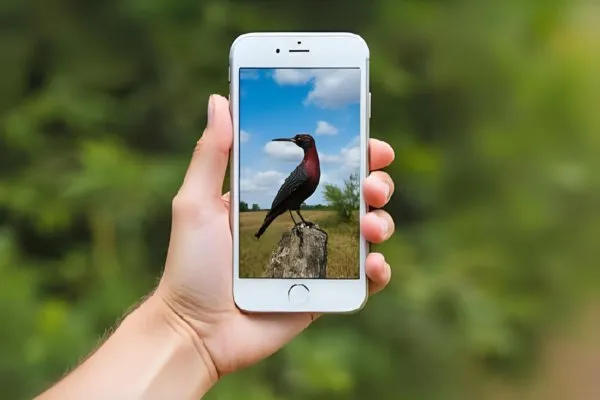
Did you know that over 50 million people participate in bird watching across North America alone, and nearly 73% of them now use smartphone technology during their birding expeditions? This digital revolution has transformed how we identify, track, and study avian species in the field. The Challenge: Traditional field guides, while comprehensive, can be bulky …

Every spring morning brings a symphony of colors to our backyards, but few sights captivate birdwatchers quite like the flash of brilliant red feathers catching the early sunlight. Did you know that over 40 species of predominantly red birds can be observed across North America alone? From the iconic Northern Cardinal’s year-round crimson presence to …
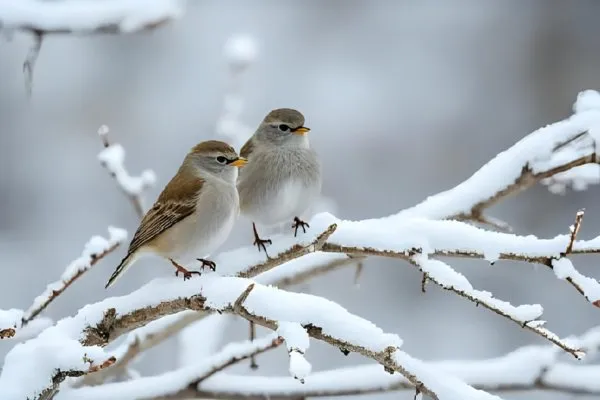
Winter transforms the birding landscape into a unique theater of survival, adaptation, and surprising beauty. While summer may boast the greatest diversity of species, winter offers some of the most rewarding birdwatching experiences for those who know where to look and what to expect. The Challenge: Many birders hang up their binoculars when temperatures drop, …

Every year, over 45 million Americans participate in birdwatching, yet studies show that 68% of novice birders abandon the hobby within their first two years—primarily due to identification frustration and inadequate field guides. The difference between a rewarding birding experience and a discouraging one often comes down to having the right field guide in your …

Introduction Did you know that a single blue jay can produce over 250 different vocalizations and body language combinations, each with distinct meanings that other birds instantly understand? Cornell Lab of Ornithology research shows that birds communicate through intricate behavioral patterns more complex than many mammals, yet most birdwatchers observe these fascinating displays without grasping …

Introduction Did you know that experienced birdwatchers can identify up to 150 different species during a single morning outing, while unprepared observers often struggle to confidently identify even 20? The difference isn’t just skill—it’s preparation. As someone who has spent over 12 years studying avian behavior and guiding thousands of enthusiastic birders, I’ve witnessed countless …